

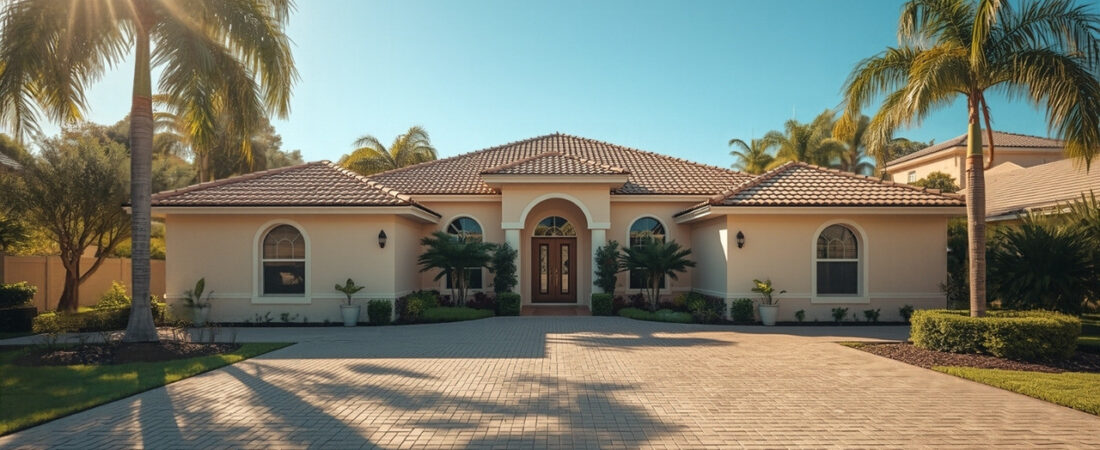
If you are thinking “I want to sell my house,” the next question is how to do it without leaving money on the table. Knowing how to sell your home in Naples comes down to a handful of decisions made in the right order: timing, pricing, preparation, disclosures, marketing, negotiation, and closing. This 2026 guide walks through each step the way we run it for Naples and Marco Island sellers, so you know what to expect before you list.
The quick answer
To sell your home in Naples, price it from recent comparable sales rather than an online estimate, have your insurance-related paperwork ready (wind mitigation report, roof age, and permits), complete Florida’s required flood disclosure, and list it with strong photography in time for the winter and spring season, when demand is typically highest. Then negotiate the inspection and appraisal periods carefully, because that is where most Naples deals are won or lost. The whole process usually runs from a few weeks of prep to a 30 to 60 day closing once you accept an offer.
Step 1: Pick your timing
Naples is a seasonal market. Many buyers are seasonal residents and out-of-state movers who visit from roughly January through April, so homes listed just before and during that window often see more showings. That does not mean you cannot sell in summer or fall. Serious buyers, relocations, and investors shop year-round, and there is less competing inventory. The right timing depends on your next move, so start the conversation a few months before you want to be under contract. For a month-by-month breakdown, see our guide to the best time to sell a house in Naples.
Step 2: Price it from real comparable sales
Pricing is the single biggest lever you control. Online estimates are a starting point, but they cannot see your lot, your view, your roof, or whether your street floods. A proper market analysis compares your home to recent nearby sales with similar size, age, condition, and water or golf frontage, then adjusts for the differences. Price slightly too high and you lose your first weeks of attention, when buyer interest is strongest. Price right and you often create competition. Before you set a number, look at what you will actually walk away with. Our guide to the cost to sell a home in Naples breaks down commission, doc stamps, title, and taxes so you can see your real net.
Pricing is always community-specific. A home in Naples Park near Vanderbilt Beach, a house in a gated community such as Winding Cypress, and an acreage property in Golden Gate Estates each sell against very different comparable sales, HOA rules, and buyer pools, so the right list price comes from recent sales inside your own neighborhood.
Step 3: Prepare the home and the paperwork
In Southwest Florida, preparation is about insurance as much as paint. Buyers’ insurance quotes depend on your roof, windows, and construction, so the more of that you document up front, the smoother your sale. A smart prep list looks like this:
- Wind mitigation report: documents roof-to-wall connections, roof covering, and opening protection, which can lower a buyer’s premium. See how it works in our Naples hurricane guide.
- Roof age and permits: gather the roof permit and any major system permits. Older roofs are a common insurance and financing hurdle.
- Elevation certificate if you have one, especially near the water.
- Repairs that matter: fix leaks, failing AC, and obvious maintenance items that would show up on an inspection.
- Declutter, clean, and stage so photos show space and light.
Step 4: Handle Florida disclosures correctly
Florida sellers have a legal duty to disclose known facts that materially affect a home’s value and are not readily observable to a buyer. On top of that, Florida Statute 689.302 now requires sellers of residential property to complete a written flood disclosure at or before the time the sales contract is signed. It asks whether you know of flooding that damaged the property during your ownership, whether you filed a flood insurance claim, including with the National Flood Insurance Program, and whether you received flood assistance such as from FEMA. If you are in a condo or HOA community, you will also need association documents and an estoppel letter, and condo buyers increasingly ask about building inspections and reserves. Getting these right early protects your deal and your liability. For background on flood risk, see our guide to Naples flood zones and insurance.
Step 5: Market it where Naples buyers look
Most buyers start online, and many are searching from out of state. Your listing should go on the MLS so it syndicates to the major home search sites, with professional photography, a floor plan, and video or a 3D tour so remote buyers can shortlist your home without flying in. A clear description that highlights what Naples buyers care about, such as storm-ready construction, flood zone, newer roof, water access, and community amenities, gets better showings than generic copy.
Step 6: Review offers and negotiate
The highest price is not always the best offer. Compare the financing type, the size of the deposit, the length of the inspection period, appraisal terms, and the closing date. Most Florida contracts give the buyer an inspection period, and that is where repair requests and credits get negotiated, so your prep work in step 3 pays off here. If the buyer is financing, the home must also appraise, so pricing from real comparable sales protects you twice. Buyer-agent compensation is negotiable on every sale, and your agent should help you structure it so it supports your price and your net.
Step 7: Close with confidence
After inspections and appraisal, the title company handles the title search, payoff of your mortgage, and the closing documents. Florida charges documentary stamp tax on the deed at 70 cents per $100 of the sale price under Florida Statute 201.02, customarily paid by the seller in Collier County, though it is negotiable. Plan on 30 to 60 days from contract to closing for a financed sale, and often less for cash.
A Naples seller’s checklist
- Decide your timing and where you are moving next.
- Get a comparable-sales market analysis, not just an online estimate.
- Estimate your net proceeds before you pick a price.
- Order a wind mitigation report and gather roof and system permits.
- Complete the Florida flood disclosure and gather HOA or condo documents.
- Invest in professional photos, a floor plan, and a video tour.
- Compare offers on terms, not just price.
Thinking of selling your Naples home?
Get a free, no-pressure pricing consultation based on real comparable sales, plus an estimate of what you will actually net. Local Naples and Marco Island expertise from Capt. Jon C. Schmitt, licensed Florida broker.
Frequently asked questions
How do I sell my house in Naples, Florida?
Start with timing and a comparable-sales price, prepare your insurance paperwork and the home, complete Florida’s flood disclosure, then list with strong photos and a clear description. After you accept an offer, you move through inspections, appraisal, and a title-company closing, usually within 30 to 60 days.
What is the best time to sell a house in Naples?
Demand is typically highest during the winter and spring season, roughly January through April, when many seasonal residents and out-of-state buyers are in town. Well-priced homes can sell year-round, and off-season listings face less competition.
Do I have to disclose flooding when I sell a home in Florida?
Yes. Florida Statute 689.302 requires sellers of residential property to provide a written flood disclosure at or before signing the sales contract, covering known flood damage during your ownership, flood insurance claims, and federal flood assistance.
Who pays closing costs when selling a home in Naples?
Sellers typically pay their agent’s commission, documentary stamp tax on the deed, and their share of title and settlement charges, but much of it is negotiable. Our cost-to-sell guide shows a full example of a seller’s net.
Do I need a real estate agent to sell my house in Naples?
No, you can sell on your own, but most sellers use a listing agent for pricing, MLS exposure, negotiation, and handling Florida contracts and disclosures. A good agent usually more than pays for themselves through price and fewer costly mistakes.
Sell smart in Naples
Selling a home in Naples is very manageable when you take it step by step: time it well, price it from real data, document the insurance details buyers worry about, disclose correctly, and negotiate on terms as well as price. If you want help running the numbers, see our full guide to the cost to sell a home in Naples, explore our Naples real estate services, or book a free consultation with Capt. Jon C. Schmitt. Buying your next home at the same time? We can represent you on both sides of the move with our buyer representation.
True Patriot Realty Group serves sellers, buyers, and investors across Naples, Marco Island, and Collier County. Flood disclosure and documentary stamp tax details are from Florida Statutes 689.302 and 201.02. This article is general guidance only and is not legal or tax advice.